Our Valves Categories

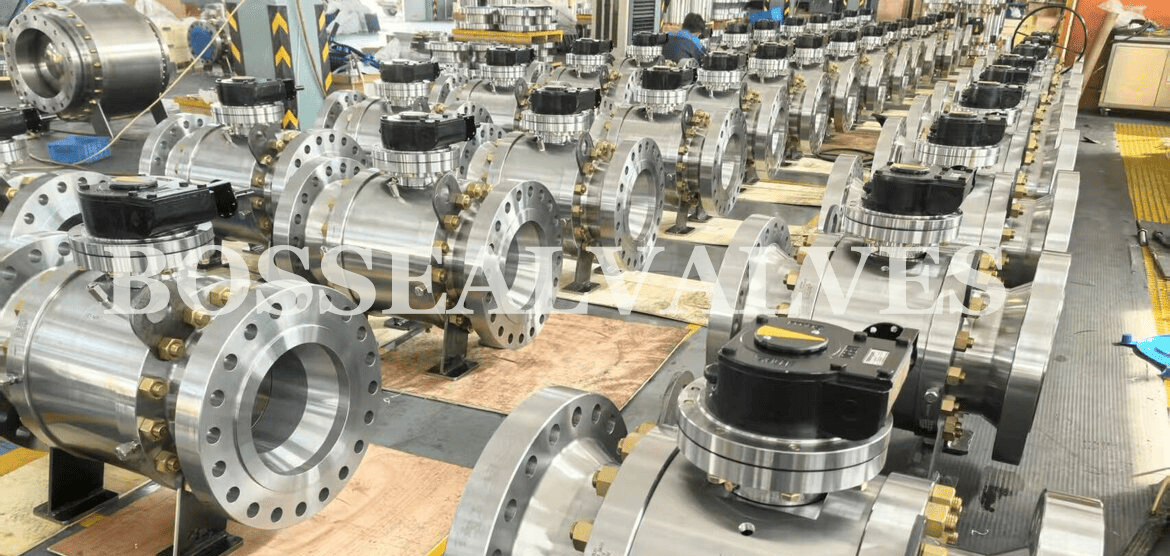
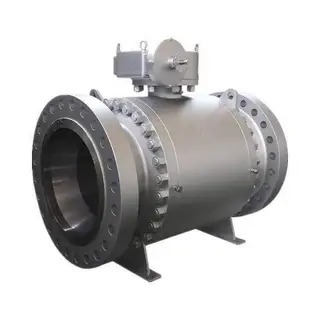
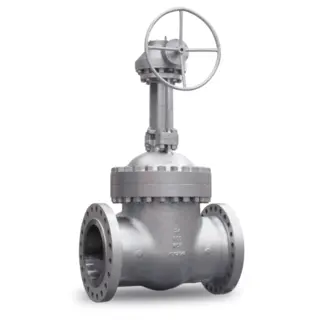
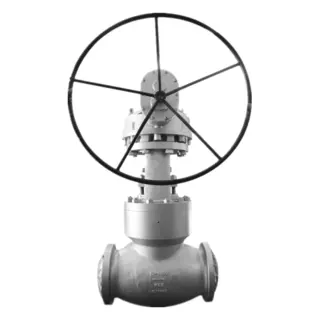
These valves are our leading and featured products, which our customers widely recognized.

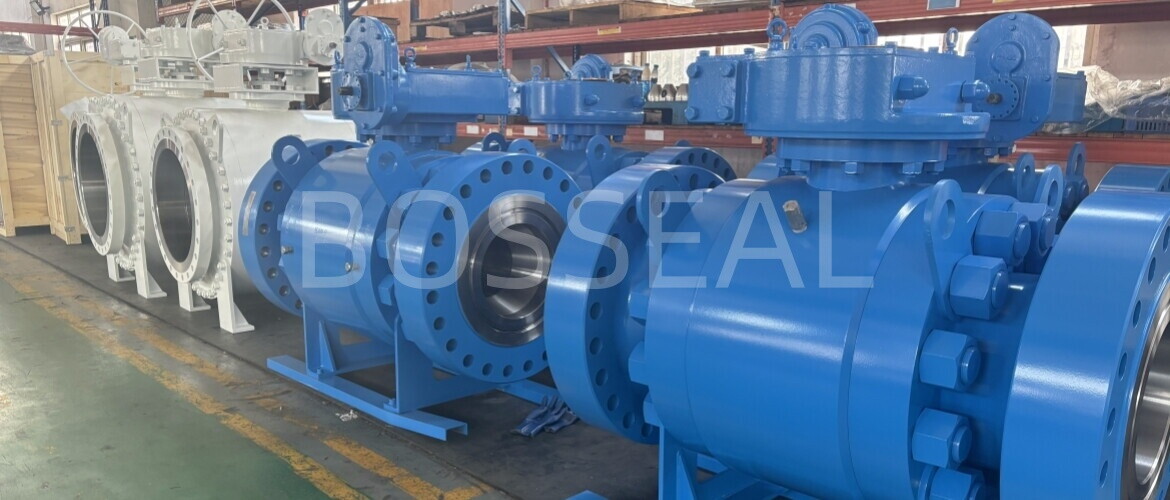
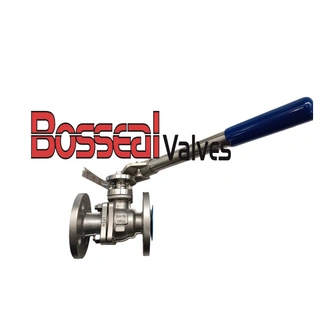
Ball Valves

2929 Product

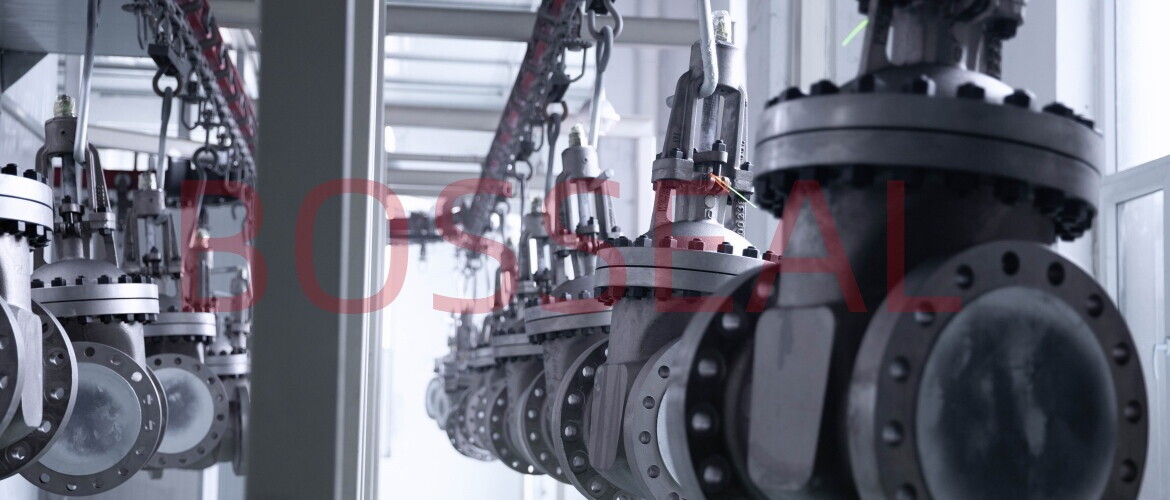
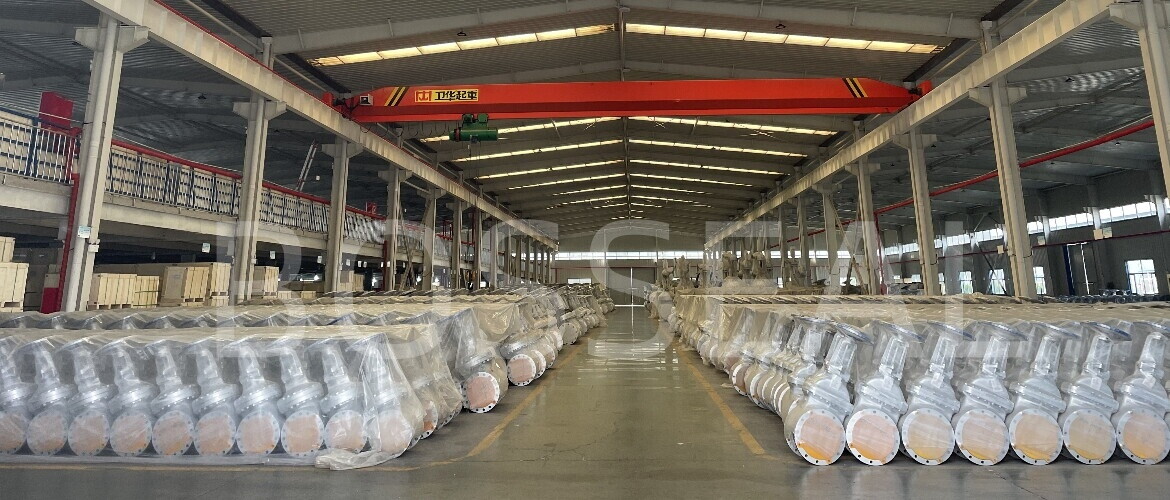
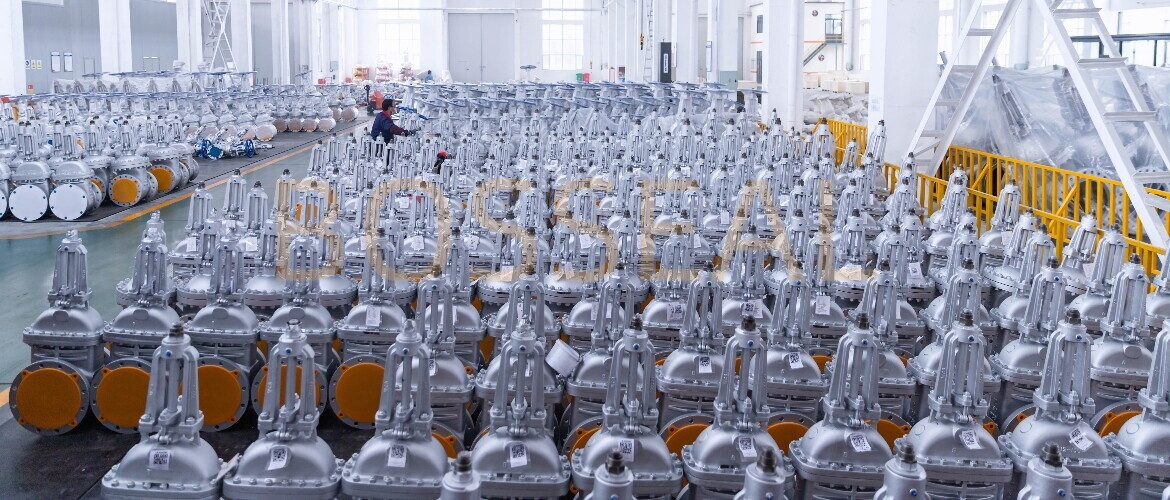
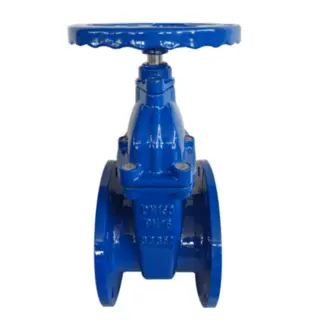
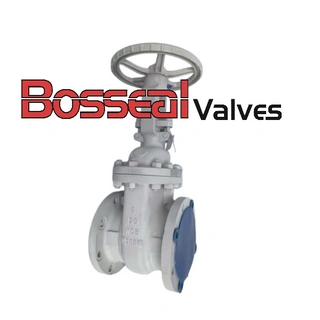
Gate Valves

391 Product

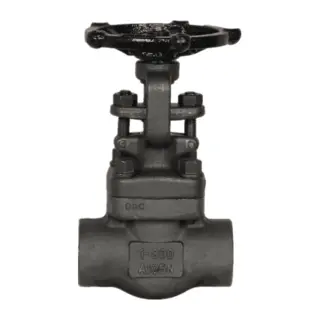
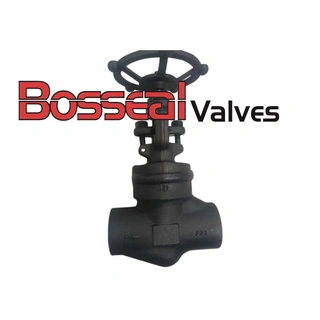
Globe Valves

171 Product

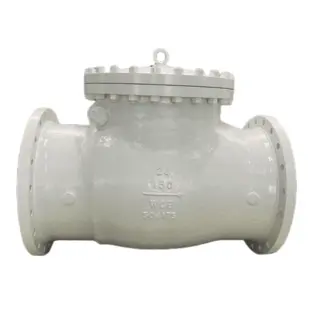
Check Valves

291 Product

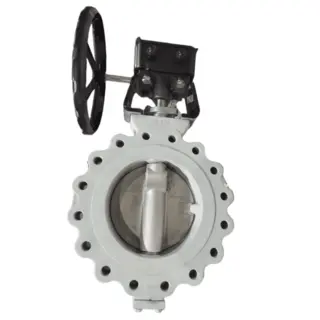
Butterfly Valves

470 Product

Other Valves

23 Product

Valve Parts

5 Product

More High Quality Industrial Valves

Learn More About Our Valves Products

Latest Valve Products

Here are latest valves we released recently.

Best Quality Industrial Valve Solutions for You

Quality Warranty

A warranty of 18 months after delivery or 12 months after installation is provided by Bosseal for all supplied valves.

Fast Lead Time

General lead time is around 8 weeks(conventional valves) with high efficient production process and regular expedition procedure.

Competitive Price

With a quality but cost-effective supply chain, we offer client with reasonable price and low aftersales cost, to build a healthy and long term partnership.

Value Added Service

From early bidding to final shipment we have a professional team standby to support client on commercial, technical, quality and transportation issues.
Send your Valve Drawing
Send your Valve Specifications

FAQs About Industrial Valves

What Are your valve design standards?

Our valves are designed and manufactured in accordance with international standards such as API, ISO, DIN, EN, BS, JIS, and GOST. We can also customize products based on client specifications.

What is your standard lead time?

For commodity valves in stock, such as GGC (Gate, Globe, Check) low-pressure carbon steel valves (WCB valves below Class 300 up to 24”), we maintain a large inventory and can deliver them promptly upon request.

For newly manufactured valves, the standard lead time is typically 8 to 12 weeks. For expedited orders, special designs, or large quantities, please contact us directly to confirm the lead time.

What is the warranty for your products?

All our products come with an 18-month warranty after delivery at no additional cost. If any issues arise due to manufacturing quality within this period, Bosseal will provide full after-sales support and service.

Can you supply quality certificates with the valves? What is the cost?

Yes, all our valves are 100% tested before shipment. An EN 10204 3.1 certificate is provided free of charge as a standard document with every valve.

Are your valves fire-safe?

Yes, we offer ball valves and high-performance butterfly valves with fire-safe designs. Valves certified to API 607 and API 6FA are also available upon request.

What are your delivery terms?

Our standard delivery terms are Ex-Works (EXW) or FOB Shanghai/Tianjin. If needed, we also support CFR/CIF terms.

We primarily use sea freight, but express (DHL, FedEx) or air freight shipping can also be arranged based on customer requirements.

Do you offer valves with NACE compliance?

Yes, we can supply valves in compliance with NACE MR0175, NACE MR0103, and ISO 15156. Material hardness and chemical composition are strictly controlled according to these standards.

Can you supply valves with 3.2 certification?

Yes, 3.2 certificates are available at an additional cost. We work with reputable third-party inspection agencies (TPI) such as BV, TUV, SGS, or LR, who will inspect the valves and issue signed certificates provided with the shipment.

DBB and DIB Valves

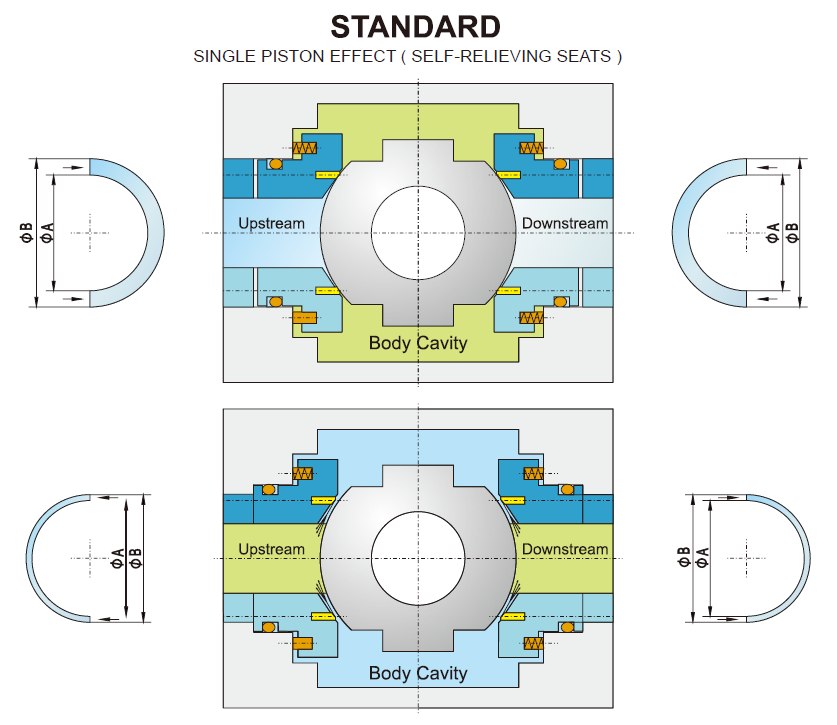
DBB (Double Block and Bleed): Two single piston-effect seats.

DBB- Double Block and Bleed (two single piston seats)

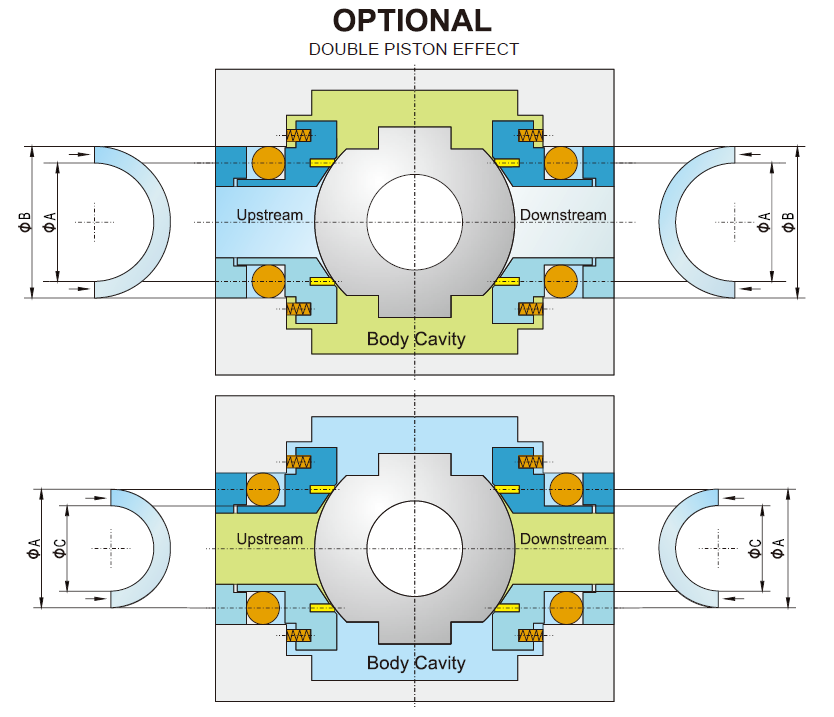
DIB-I (Double Isolation and Bleed Type I): Two double piston-effect seats.

DIB-I (Double Isolation and Bleed Type I)

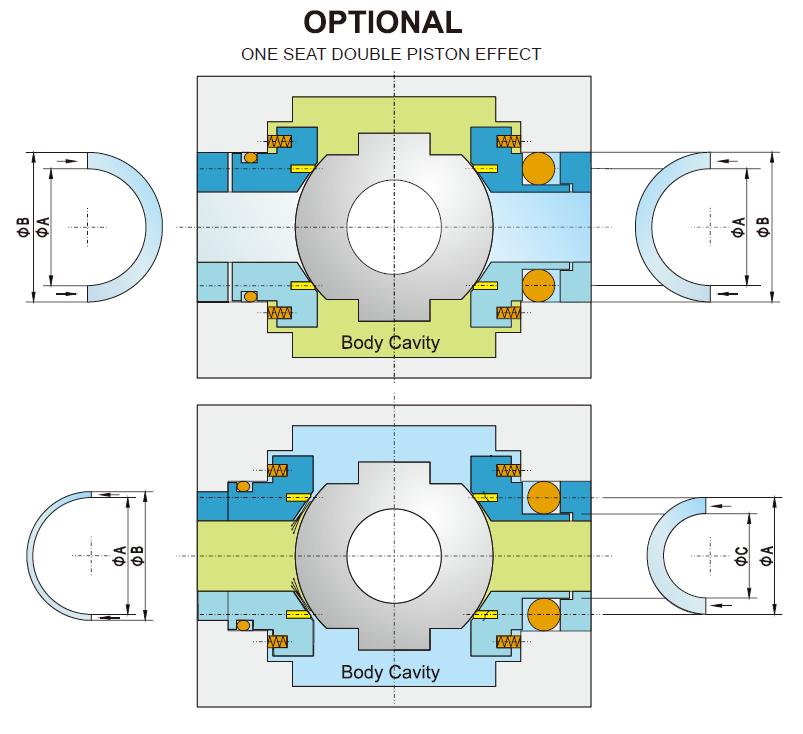
DIB-II (Double Isolation and Bleed Type II): One double piston-effect seat and one single piston-effect seat.

DIB-II (Double Isolation and Bleed Type II)

What is OS&Y?

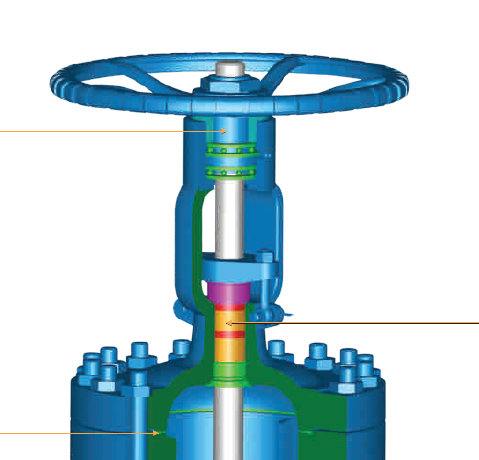
OS&Y stands for Outside Screw and Yoke. This design places the threaded stem outside the valve body, with the yoke supporting the stem. It allows users to visually verify whether the valve is open or closed by observing the stem’s position.

OS&Y gate valves are commonly used in fire protection systems, including sprinklers, hydrants, and standpipes, due to their reliability and clear open/close indication.

Outside Screw and Yoke Valve

What is CRA in valves?

CRA stands for Corrosion Allowance. In piping design, this refers to an added safety thickness on pressure-containing parts to compensate for corrosion over the valve's service life.

Typically applied to carbon steel, CRA values like 1.5 mm, 3 mm, or 6 mm are added on top of standard wall thicknesses according to ASME B16.34 or API 600.

What Are Rising Stem & Non-Rising Stem Gate Valves?

What is a Non-Rising Stem Gate Valve?

A valve where the stem does not move vertically but rotates internally to raise or lower the gate. This design is ideal for installations with limited vertical space.

How Does a Non-Rising Stem Gate Valve Work?

The handwheel turns the stem, which in turn moves the gate up or down inside the valve body without changing the external height of the stem.

How Does a Rising Stem Gate Valve Work?

The handwheel lifts the stem and gate together, providing a visual indication of whether the valve is open or closed.

Which Valve Should I Choose?

Use a rising stem valve for above-ground applications where visibility and ease of maintenance are important.

Use a non-rising stem valve for underground or space-limited installations.

Conclusion

The choice between rising stem and non-rising stem gate valves depends on your specific application needs. For clear valve status indication and easy maintenance, go with a rising stem valve. For compact installations, a non-rising stem valve is the better option.

Industrial Valve News

Here are our company news, industrial news and the latest information about valves.
Valve Body Thickness: Is Thicker Always Better?

Valve Body Thickness: Is Thicker Always Better?

October 10, 2026

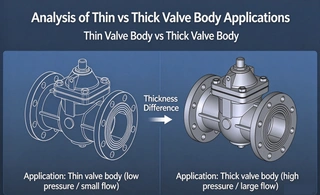
Valve body thickness plays a critical role in pressure resistance, structural integrity, corrosion allowance, and long-term durability. However, a thicker valve body does not always guarantee better quality or longer service life. Proper valve selection requires evaluating design pressure, operating temperature, material strength, corrosion and erosion risks, manufacturing quality, and applicable industry standards. While thick-walled valves may provide additional structural margins in demanding applications, properly engineered thin-walled valves can offer reliable performance with lower material costs and easier installation. By balancing safety, operating conditions, maintenance requirements, and lifecycle costs, manufacturers and industrial buyers can select the most suitable valve body design.

Ductile Iron Valves for Fluid Control

Ductile Iron Valves for Fluid Control

September 30, 2026
Ductile iron valves are widely used in municipal water supply, wastewater treatment, HVAC, fire protection, building services, and industrial utility systems because they combine strength, toughness, durability, castability, and cost efficiency. Compared with gray cast iron, ductile iron offers improved mechanical performance and impact resistance, making it suitable for many medium- and low-pressure applications. Common valve types include butterfly, gate, globe, and ball valves, with selection depending on pressure, temperature, fluid characteristics, valve function, and installation requirements. Protective coatings, suitable sealing materials, correct actuation, and proper maintenance further improve service life. With smart actuators and remote monitoring, ductile iron valves are also becoming part of modern automated fluid-control systems.
Why Valves Leak and How to Stop It

Why Valves Leak and How to Stop It

September 27, 2026

Valve internal leakage is a common problem in industrial, municipal, irrigation, chemical, and process piping systems. It can result from damaged sealing surfaces, trapped debris, incomplete closure, stem or actuator failures, seal aging, improper valve selection, installation errors, crystallization, body deformation, and abnormal pressure or temperature conditions. Effective leakage prevention requires a lifecycle management approach covering valve selection, material compatibility, installation, operation, inspection, testing, and preventive maintenance. Engineers should diagnose the actual leakage mechanism before repairing or replacing a valve. By matching valve design and sealing materials to the operating medium and conditions, while controlling piping stress and maintaining equipment properly, users can reduce leakage, extend valve service life, lower maintenance costs, and improve overall system safety and reliability.

Fluoropolymer-Lined Valves for Corrosive Media

Fluoropolymer-Lined Valves for Corrosive Media

September 18, 2026
Fluoropolymer-lined valves are designed to provide reliable flow control and corrosion protection when handling aggressive chemical media. By combining a robust metal valve body with a chemically resistant fluoropolymer lining, these valves can be used in chemical processing, water treatment, electroplating, pharmaceutical production, and other demanding industrial applications. Common lining materials include PTFE, PFA, PVDF, and ETFE, each offering different chemical and temperature resistance. However, proper valve selection requires careful evaluation of the medium, concentration, temperature, pressure, flow velocity, abrasion, and mechanical stress. This article explains the applicable media, major industries, material options, selection factors, limitations, installation requirements, and maintenance practices for fluoropolymer-lined valves.
About Us

Founded in 2013, Bosseal is a professional industrial valve manufacturer based in Suzhou, China. We specialize in the design and production of Ball Valves, Gate Valves, Globe Valves, Check Valves, Butterfly Valves, Plug Valves, and Piping Strainers. All our products are manufactured in strict compliance with international standards, including API, ASME, ISO, DIN, BS, and EN. With a strong focus on quality control and engineering capability, we are committed to providing reliable and high-performance valve solutions for global industrial applications.

Categories
Useful Links
Our Contacts
Building 2, NO.59, Songshan Road, SND, Suzhou, China